What Is EKG Testing and What Heart Conditions Does It Detect?
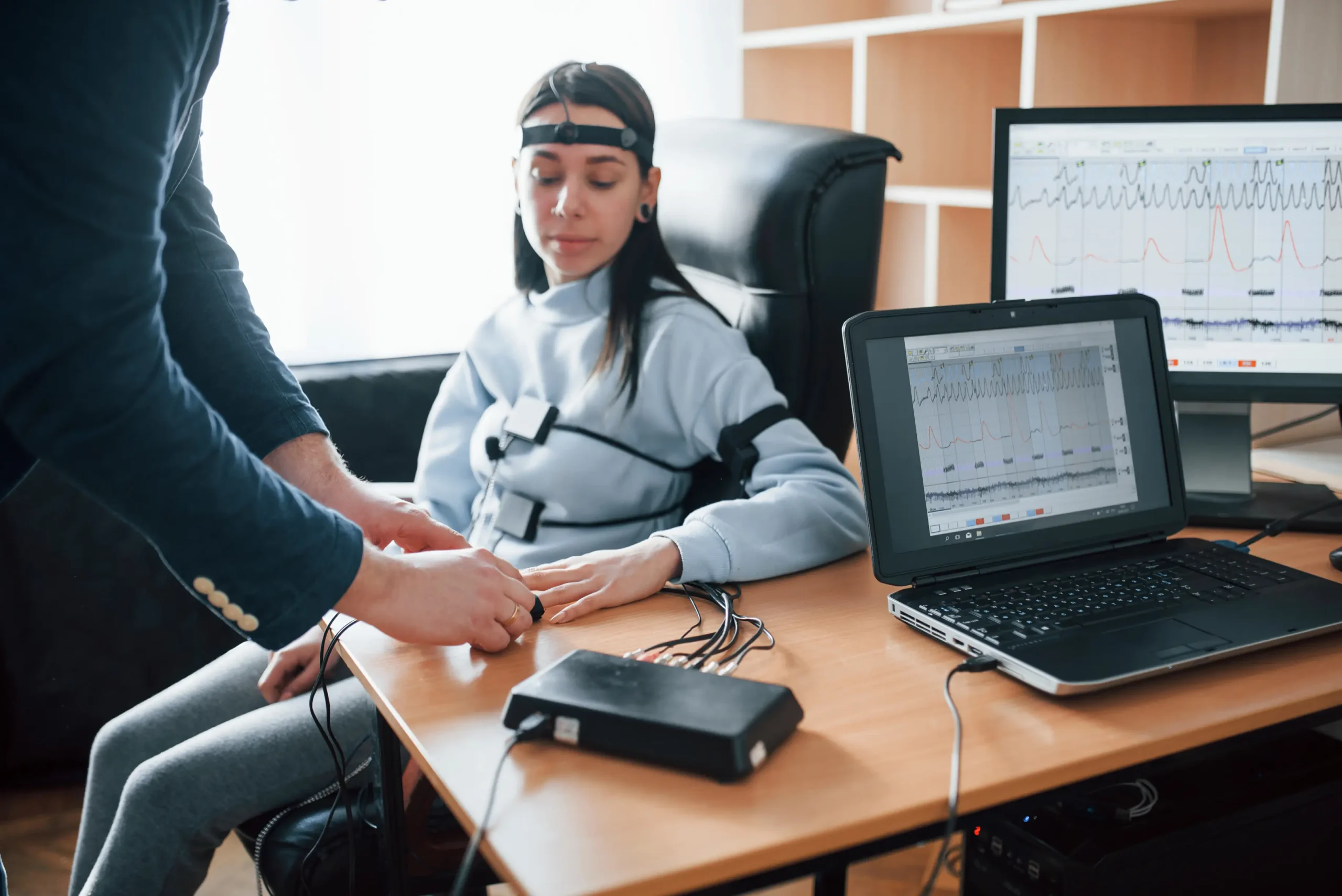
Urgent Care of NJ does 12-lead electrocardiogram (EKG/ECG) tests to look for problems with heart rate and sudden heart events. An EKG uses 10 sensors to record electrical activity from the heart. It measures heart rate, rhythm, axis shift, ST segment changes, and rhythms. In urgent care settings, tests find atrial fibrillation, ventricular tachycardia, cardiac ischemia, pericarditis, and chemical problems that can lead to chest pain, tremors, or fainting.
Types of EKG Tests We Perform On-Site
12-Lead EKG: Comprehensive 10-second recording evaluates all cardiac leads simultaneously.
Rhythm Strip Monitoring: Continuous 3-lead monitoring for ongoing arrhythmia assessment.
Stress EKG Preparation: Baseline testing prior to treadmill exercise protocols.
Serial EKGs: Repeat testing tracks evolving myocardial infarction or pericarditis.
Electrolyte EKG Patterns: Hyperkalemia, hypokalemia, hypocalcemia waveform identification.
How Our EKG Services Work
Electrode Placement: Precise positioning across chest, arms, legs, per standard anatomical landmarks.
Automated Analysis: Computer interpretation with physician overread for accuracy.
Normal vs Abnormal Criteria: Rate, rhythm, intervals, axis, hypertrophy patterns evaluated.
Cardiology Referral Protocol: STEMI and high-degree AV block cases are immediately transferred.
Patient Education: Rhythm strip printouts with arrhythmia explanations provided.
Rapid Cardiac Assessment Prevents Heart Complications
EKG tests find 85% of life-threatening arrhythmias within minutes, so they can be treated right away and referred to a cardiologist. Urgent Care of NJ follows the rules set by the American Heart Association to make sure that people in New Jersey who want an EKG test near me get an exact reading of their heartbeat. Come in today for an evaluation of chest pain, palpitations, or fainting. You will get instant 12-lead EKG readings and help coordinate your heart care.