
senior-doctor-talking-with-patient-office

Basic Follow-Up Visits

What Are Basic Follow-Up Visits and Why Are They Important?

Urgent Care of NJ offers basic follow-up visits to make sure that people are getting better after their first visit to our clinic. A basic follow-up visit is a short, focused meeting where the provider reviews test results, checks to see how well the treatment plan is working, and makes any changes that are needed. It is important to get follow-up care to make sure that diseases go away, accidents heal properly, and symptoms do not get worse

Conditions That Often Need Follow-Up Visits

Infections Under Treatment: Follow-up for pneumonia, ear infections, sinusitis, UTIs, or skin infections being treated with antibiotics.

Injury Recovery: Rechecks for sprains, strains, minor fractures, or wound care progress.

Medication Response: Visits to see how patients respond to newly started blood pressure, asthma, or pain medications.

Abnormal Test Results: Follow-up to discuss lab findings, imaging reports, or repeat testing when needed.

Persistent or Recurrent Symptoms: Ongoing cough, fever, pain, or rash that did not fully resolve after the first visit.

How Our Basic Follow-Up Visit Works

Review of Prior Visit: We reviewed the original urgent care note, diagnosis, and treatment plan.

Symptom Update: Patients describe changes in pain, fever, breathing, energy level, or other key symptoms since the last visit.

Focused Examination: Targeted exam of the previously affected area (lungs, ear, throat, joint, wound, etc.).

Plan Adjustment: Medication doses may be changed, new treatments added, or referrals arranged based on progress.

Next Steps and Education: Clear instructions on continued home care, warning signs, and whether further follow-up is needed.

Consistent Monitoring Supports Safe Recovery

Basic follow-up visits to Urgent Care of NJ services help make sure that the treatment is working and that there are no new problems. Urgent Care of NJ tells people who are looking for a follow-up visit near me to go back as soon as they are told to make sure that infections heal fully, accidents heal properly, and test results are understood. You can walk in today or make an appointment for a follow-up visit to finish your care plan and help you safely get back to your normal routines.


indian-physician-patient-shaking-hands-medical-consultation

Referrals To Specialists

What Are Specialist Referrals and When Are They Needed?

Urgent Care of NJ refers people to healthcare professionals  when they need ongoing or advanced care for a problem. An urgent care provider can give you a specialty reference if you need to see a doctor who specializes in heart disease, orthopedics, skin, neurology, or gastroenterology. Referrals are needed when problems are complicated, need to be managed over a long period of time, or may need treatments that immediate care does not offer.

Types of Specialists We Commonly Refer To

Cardiologists: For chest pain, abnormal EKGs, uncontrolled blood pressure, or suspected heart disease.

Orthopedic Surgeons: For fractures, severe joint injuries, ligament tears, or chronic bone and joint problems.

Dermatologists: For persistent rashes, concerning moles, acne that does not respond to basic treatment, or chronic skin disease.

Gastroenterologists: For ongoing abdominal pain, heartburn, chronic diarrhea, or blood in the stool.

Pulmonologists and Allergists: For chronic cough, asthma that is hard to control, or suspected environmental allergies.

Other Specialists: Neurologists, endocrinologists, urologists, or others depending on the urgent care diagnosis.

How Our Specialist Referral Process Works

Urgent Care Evaluation: The doctor or nurse asks a lot of questions about the patient’s past, does a physical check, and, if necessary, orders the first tests.

Determining Need for Referral: If the condition is complex, recurrent, or outside urgent care scope, a specialist is recommended.

Referral Documentation: A referral note summarizing symptoms, exam findings, test results, and working diagnosis is prepared.

Guidance on Scheduling: Patients are told how to get in touch with the specialist’s office and what reports they need to bring.

Follow-Up with Urgent Care: Patients can go back to Urgent Care of NJ to get help with their symptoms while they wait for their expert visits.

Coordinated Care for Complex Health Needs

Referrals to qualified professionals through Urgent Care of NJ services make sure that patients get the right amount of care when their conditions are too serious for same-day treatment. Urgent Care of NJ helps people in New Jersey who are looking for a specialist referral near me find the right cardiac, orthopedic, cosmetic, or other specialty care. Visit us now for a comprehensive assessment and, if necessary, a well-defined referral process to guarantee that your long-term health issues are handled by the most suitable specialist.

high-angle-people-holding-pills

Medication Refills

What Are Non-Controlled Medication Refills?

After the right evaluation, Urgent Care of NJ gives short-term refills for non-controlled medicines all over New Jersey. Refills for non-controlled meds are drugs that are not controlled substances. These include most blood pressure medicines, diabetes pills, cholesterol medicines, thyroid hormones, and popular inhalers. When a patient runs out, can not reach their regular doctor, or needs a temporary supply, these refills help keep their treatment going.

Types of Non-Controlled Medications We Commonly Refill

Blood Pressure Medications: ACE inhibitors, ARBs, beta blockers, and diuretics for hypertension management.

Diabetes Medications: Oral medications and some non-controlled injectables (excluding certain specialized therapies).

Cholesterol-Lowering Drugs: Statins and other lipid-lowering agents for cardiovascular risk reduction.

Thyroid Medications: Levothyroxine and related drugs for hypothyroidism.

Asthma and COPD Inhalers: Maintenance inhalers and rescue inhalers that are not classified as controlled substances.

Other Chronic Condition Medications: Non-controlled drugs for reflux, allergies, or stable chronic diseases

How Our Non-Controlled Medication Refill Process Works

Medical History Review: Current prescriptions, doses, allergies, and chronic conditions are reviewed.

Clinical Assessment: A quick checkup and vital signs (like heart rate and blood pressure) are taken as needed to make sure the refill is safe.

Medication Verification: Pharmacy labels or old prescription records are looked over to make sure they are correct.

Short-Term Refill Issued: A limited amount was given to help people get by until they could see their main care provider again.

Care Coordination: Suggestions for regular follow-up visits with the main care doctor and, when necessary, regular lab checks.

Safe & Short-Term Access to Essential Medications

Refilling medications helps keep treatment from stopping for long periods of time, which could cause blood sugar, blood pressure, or other long-term conditions to get worse. Urgent Care of NJ follows safety rules when giving short-term doses to people in New Jersey who are looking for medication refill near me. Stop by now if you are short on critical non-controlled medicines and might need a temporary supply until you can schedule long-term follow-up with your primary care physician.

young-female-doctor-wearing-medical-robe-with-stethoscope-sits-table-with-medical-tools-writing-something-clipboard-isolated-yellow-background

Doctor’s Notes For Work Or School

What Are Doctor’s Notes for Work or School?

After a medical exam, Urgent Care of NJ gives patients in New Jersey doctor’s notes for work or school. A doctor’s note, which is also known as a medical excuse or clearance note, is a written record that says a patient was seen for a health problem and may need time off, limits on their activities, or permission to return. These notes are often needed by employers, schools, sports teams, and child care programs to prove sickness, keep others from getting sick, and follow safety rules.

Here Are The Types of Doctor’s Notes We Provide

Work Excuse Notes: Documentation that a patient was evaluated and may need time off due to illness or injury.

School Excuse Notes: Notes for children or students who missed class because of fever, infections, or other medical issues.

Return-to-Work Clearance: Confirmation that symptoms have improved and the patient can safely resume job duties.

Return-to-School Clearance: Approval for students to return after contagious illnesses like flu, strep throat, or pink eye.

Activity Restriction Notes: Limits for lifting, sports, physical education, or specific tasks during recovery.

How Our Doctor’s Note Process Works

Medical Evaluation: A provider reviews symptoms, performs a physical exam, and makes a diagnosis.

Determining Restrictions: Work or school tasks are discussed to decide if rest, limited duties, or full activity is appropriate.

Note Preparation: The doctor’s note includes date of visit, general diagnosis type (e.g., viral illness, injury), and recommended time off or restrictions.

Privacy Protection: Sensitive details are minimized to protect patient confidentiality while meeting employer or school requirements.

Follow-Up Instructions: Guidance on when to return for re-evaluation or updated documentation if symptoms persist.

Professional Documentation for Health and Compliance

Doctor’s notes for work or school services in New Jersey help people follow job and school rules while putting their health and healing first. Urgent Care of NJ gives residents who are looking for a doctor’s note near me clear, professional paperwork that can be used to explain delays, confirm sickness, or plan a safe return to activities. You can walk in today to get a medical exam and the necessary documentation for work or school that supports both your health and your tasks the same day.

woman-son-caring-unwell-man

Fevers (Especially When Persistent Or Unexplained)

What Is a Fever and Why Can It Be Concerning?

Urgent Care of NJ evaluates and treats fevers, especially persistent or unexplained fevers, throughout New Jersey. A fever is a temporary rise in body temperature, usually above 100.4°F (38°C), as the body’s normal response to infection or inflammation. While many fevers are caused by minor viral illnesses, ongoing or unexplained fevers can signal more serious infections or medical conditions that require prompt evaluation.

Types of Fever Problems We Treat

Acute Fever: Short-term temperature elevation linked to colds, flu, COVID-19, ear infections, or stomach viruses.

Persistent Fever: Fever lasting several days that does not respond well to usual home treatments.

Unexplained Fever: Elevated temperature without a clear source after basic history and examination.

Recurrent Fever: Multiple fever episodes over weeks or months, possibly related to chronic or inflammatory conditions.

Post-Vaccine Fever: Mild temperature increase after vaccinations that may need evaluation if high or prolonged.

How Our Fever Evaluation and Treatment Works

History and Symptom Review: Duration of fever, highest temperature, medication use, travel, and exposure to sick contacts were discussed.

Physical Examination: Head-to-toe assessment for throat infection, ear infection, lung sounds, rash, abdominal tenderness, or joint swelling.

On-Site Testing: Rapid tests for COVID-19, flu, strep, urine tests for UTI, or other labs as indicated.

Treatment Plan: Fever control with acetaminophen or ibuprofen, targeted treatment when a specific infection is found, and hydration guidance.

Follow-Up and Warning Signs: Clear instructions on when to return or seek emergency care for persistent high fever, confusion, breathing trouble, or severe pain.

Careful Fever Evaluation Protects Overall Health

Our fevers (especially when persistent or unexplained) care services help identify underlying infections or conditions before they become serious. Urgent Care of NJ uses structured history-taking, thorough examination, and appropriate testing to guide treatment for New Jersey residents searching for fever treatment near me. Walk in today for careful fever evaluation, symptom relief, and a clear plan to monitor temperature and protect your long-term health.

applying-moisturizer-skin-with-psoriasis

Rashes, Hives, Allergic Reactions (Non-Severe)

What Are Rashes, Hives, and Mild Allergic Reactions?

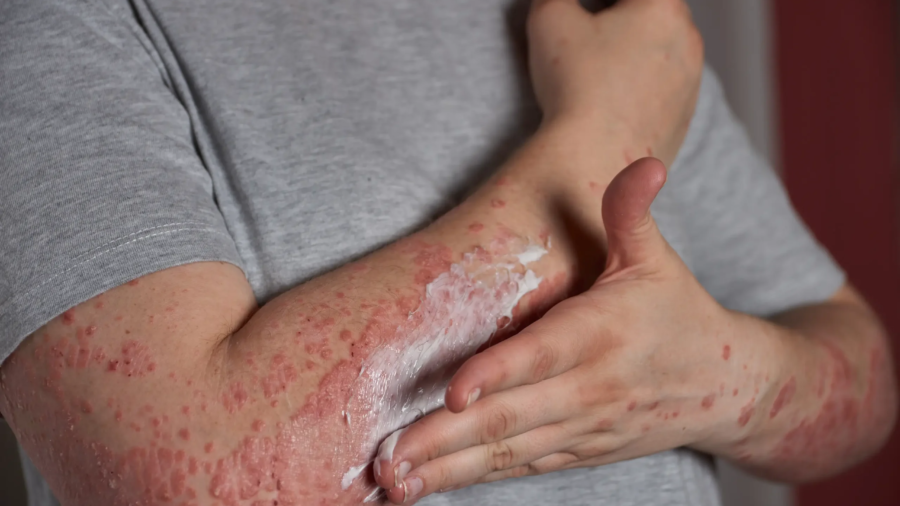
Urgent Care of NJ evaluates and treats non-severe rashes, hives, and allergic reactions throughout New Jersey. A rash is a change in the skin’s color, texture, or appearance caused by irritation, infection, allergy, or other conditions. Hives (urticaria) are raised, itchy welts that appear suddenly and may move around the body. Mild allergic reactions can cause redness, itching, swelling, or small bumps on the skin without trouble breathing or severe swelling of the lips or tongue.

Types of Skin and Allergy Problems We Treat

Contact Dermatitis: Red, itchy rash from skin contact with soaps, plants, metals, or chemicals.

Hives (Urticaria): Raised, itchy welts often triggered by foods, medications, infections, or temperature changes.

Insect Bite Reactions: Local redness, swelling, and itching after mosquito, flea, or other insect bites.

Mild Drug Rashes: Skin reactions to certain medications that cause spots or patches without serious symptoms.

Heat Rash: Small red bumps from blocked sweat glands in hot, humid conditions.

Localized Swelling: Mild facial or limb swelling from non-severe allergic responses.

How Our Rash and Allergic Reaction Care Works

History and Symptom Review: Timing of rash, new products, foods, medications, insect exposure, and prior allergy history assessed.

Skin Examination: Pattern, color, size, and distribution of rash or hives inspected.

Diagnosis: Differentiate allergic reactions from infections, chronic skin diseases, or serious conditions.

Treatment Plan: Antihistamines, topical steroid creams, soothing lotions, and sometimes short oral steroids for itching and swelling.

Allergy and Skin Care Guidance: Avoid triggers, use gentle skin products, and know when to seek emergency care for severe reactions.

Safe Relief and Allergy Education

When someone has a rash, hives, or an allergic reaction, urgent care services in New Jersey can help them feel better quickly by reducing itching and swelling and teaching them how to avoid getting them again. People in New Jersey who are looking for hives treatment near me or a rash treatment near me can go to Urgent Care of NJ and get an organized review to treat mild allergic reactions. Step in today for a professional skin check, pain relief, and clear instructions on how to safely and comfortably handle mild allergic responses.

close-up-female-pours-drops-red-eye-has-conjuctivitis-glaucoma-bad-eyesight-pain-eyes-pain-treatment-concept-woman-cures-red-blood-eye (1)

Pink Eye And Other Eye Infections

What Is Pink Eye and What Other Eye Infections Occur?

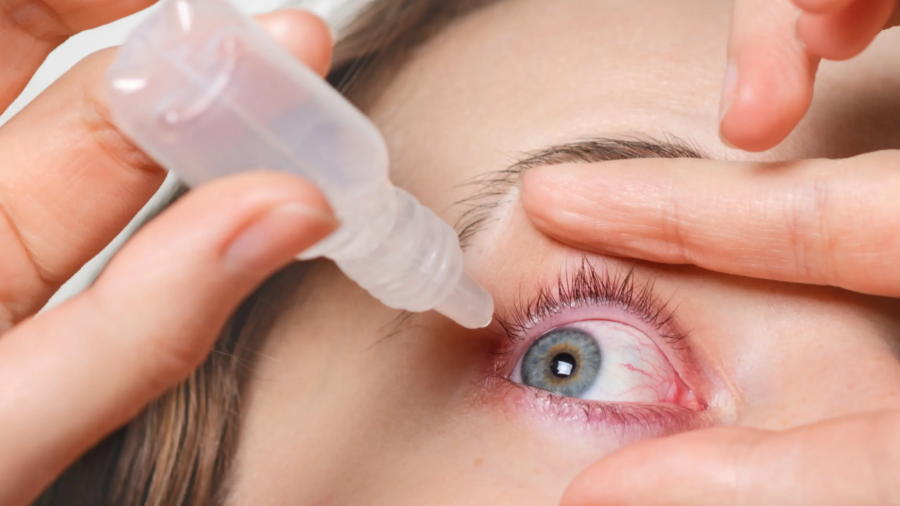
Urgent Care of NJ aids people who have pink eye or other common eye diseases in getting better quickly. Pink eye, also called conjunctivitis, is a disease of the clear tissue that covers the white part of the eye and the inside of the lids. It could be caused by germs, viruses, allergies, or things that irritate the skin. Some other types of eye illnesses can affect the eyelids, eyebrows, or oil glands, which can cause redness, swelling, discharge, itchiness, or sensitivity to light.

Types of Eye Infections We Treat

Viral Conjunctivitis: Red, watery eyes are often linked to colds or other viral illnesses.

Bacterial Conjunctivitis: Thick yellow or green discharge with eyelids stuck together, especially in the morning.

Allergic Conjunctivitis: Itchy, watery eyes with clear discharge and seasonal allergy symptoms.

Styes (Hordeolum): Tender red bumps near the eyelash line caused by infected oil glands.

Blepharitis: Chronic eyelid margin inflammation with crusting and irritation.

Contact Lens-Related Irritation: Red, painful eyes from overuse or improper lens care.

How Our Eye Infection Evaluation and Treatment Works

Symptom and History Review: Onset of redness, discharge type, vision changes, contact lens use, and allergy history assessed.

Eye Examination: External eye, eyelids, and conjunctiva examined for swelling, discharge, and lesion location.

Diagnosis: Differentiate viral, bacterial, and allergic causes to choose proper therapy.

Treatment Plan: Lubricating drops, antihistamine drops, or antibiotic drops/ointment depending on cause.

Hygiene and Prevention: Instructions on handwashing, towel and pillowcase care, contact lens cleaning, and when to avoid school or work.

Protecting Vision with Proper Eye Infection Care

Urgent care in New Jersey for pink eye and other eye infections helps relieve redness, discharge, and discomfort quickly. They also help stop problems like corneal damage or the infection from spreading to other eyes. Urgent Care of NJ helps people in New Jersey who are looking for pink eye treatment near me or eye infection treatment near me by carefully examining them and giving them the right care. Visit our facility today for a comprehensive ocular assessment, precise diagnosis, and appropriate treatment to enhance visual comfort and safeguard your vision.

side-view-sick-kid-using-nebulizer

Mild Asthma flare-Ups

What Is a Mild Asthma Flare-Up and What Triggers It?

Urgent Care of NJ checks out and treats mild asthma attacks. When the passageways in the lungs briefly get narrowed and swollen, making it harder to breathe, this is called a mild asthma flare-up. Some signs are coughing, breathing a little, lung pain, and lack of breath. A lot of the time, flare-ups are brought on by things like colds, pollen, dust, smoke, exercise, or sudden changes in the weather.

Types of Mild Asthma Problems We Treat

Viral-Triggered Asthma: Flare-ups that follow colds, flu, or other viral respiratory infections.

Exercise-Induced Bronchospasm: Coughing or wheezing that occurs during or after physical activity.

Allergy-Related Asthma: Breathing symptoms triggered by pollen, dust mites, pet dander, or mold.

Nighttime Asthma Symptoms: Coughing and wheezing that are worse at night or early morning.

Seasonal Asthma Flares: Symptoms that increase during certain times of the year, such as spring or fall.

How Our Mild Asthma Flare-Up Care Works

Symptom Assessment: Frequency of cough, wheeze, chest tightness, and shortness of breath reviewed.

Lung Examination: A stethoscope is used to listen for wheezing and airflow changes in the lungs.

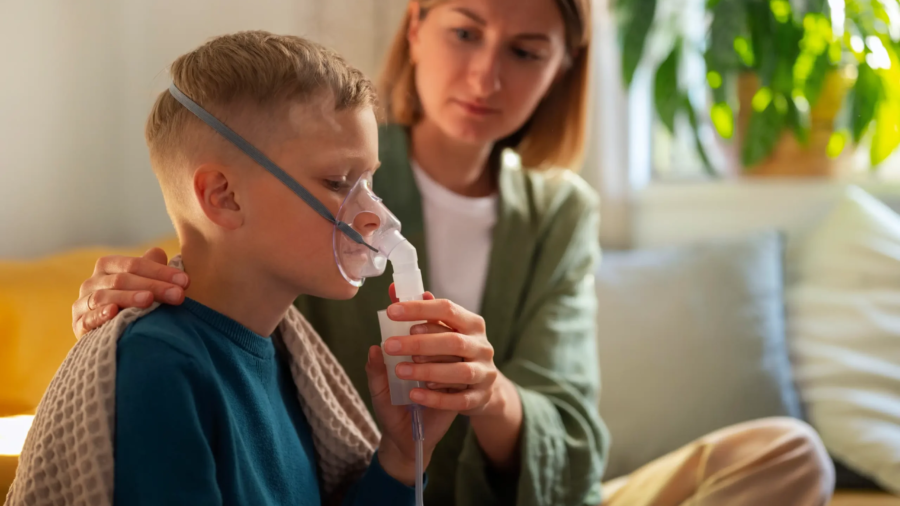
On-Site Treatment: Short-acting bronchodilator inhalers or nebulizer treatments to open airways.

Asthma Action Plan: Written instructions outlining rescue inhaler use, controller medication, and trigger avoidance.

Follow-Up and Prevention: Recommendations for primary care or specialist follow-up and when to seek emergency care.

Early Asthma Treatment Helps Keep Breathing Under Control

For mild asthma attacks, you need to see a doctor right away. Our services help keep symptoms from getting worse and turning into serious attacks that might need care in the emergency room. Urgent Care of NJ helps citizens of New Jersey who are looking for asthma care near me by using asthma control guidelines. Bring in your coughing or wheeze today for an evaluation. You will get on-site inhaler or nebulizer treatment and a clear plan to manage your asthma symptoms and protect your long-term lung health.

side-view-woman-with-medical-mask-feeling-well

Gastroenteritis (Vomiting, Diarrhea)

What Is Gastroenteritis and What Causes Vomiting and Diarrhea?

Urgent Care of NJ provides assistance to people who have gastroenteritis and are throwing up or having diarrhea. Gastroenteritis is a soreness and swelling of the stomach and intestines that is usually caused by bacteria, viruses, or germs that come from food. People with this disease feel sick, vomit, have loose stools, stomach cramps, and sometimes get a fever. Dehydration is the main worry when someone has diarrhea, especially kids and older people.

Types of Stomach and Intestinal Infections We Treat

Viral Gastroenteritis (Stomach Flu): A common infection from norovirus or rotavirus, causing sudden vomiting and watery diarrhea.

Foodborne Illness: Nausea, cramps, and diarrhea after eating contaminated food or drinks.

Traveler’s Diarrhea: Intestinal infection after travel with exposure to unfamiliar bacteria.

Bacterial Enteritis: More severe diarrhea, sometimes with blood or mucus, caused by bacteria like Salmonella or Campylobacter.

Dehydration from Vomiting and Diarrhea: Loss of fluids and electrolytes leading to dizziness, weakness, or dry mouth.

How Our Gastroenteritis Care Works

Symptom and History Review: Onset of vomiting, stool frequency, travel history, and food exposures were evaluated.

Physical Examination: Look for signs of dehydration, abdominal tenderness, and fever.

On-Site Testing: Urine tests for dehydration, stool tests when bacterial infection is suspected.

Treatment Plan: Oral rehydration, anti-nausea medication, and targeted antibiotics only when needed.

Home Care Guidance: Instructions about clear fluids, bland diet, infection control, and warning signs that require urgent recheck.

Safe Recovery and Dehydration Prevention

Urgent care in New Jersey for gastroenteritis, vomiting, and diarrhea focuses on keeping patients from getting dehydrated and finding the major causes of stomach illnesses. Urgent Care of NJ helps people in New Jersey who are looking for gastroenteritis treatment near me by using organized evaluation and treatment that has been shown to work. Stop by today for an evaluation, advice on how to rehydrate, and prescription alternatives to manage nausea, vomiting, and abdominal cramps so that you may safely recover from this illness.

side-view-man-experiencing-pain

Urinary Tract Infections

What Is a Urinary Tract Infection and What Causes It?

Urgent Care of NJ treats and diagnoses urinary tract infections (UTIs). When germs get into the urinary system, which is made up of the urethra, ureter, bladder, and kidneys, you get a UTI. Most UTIs affect the bladder and cause intense burning when you pee, a strong urge to go to the bathroom often, and lower stomach pain. In the most severe circumstances, the infection can spread to the renal areas, which can cause pain in the side, fever, and feeling sick.

Types of UTIs We Treat

Uncomplicated Bladder Infections: UTIs in otherwise healthy adults with typical urinary symptoms.

Complicated UTIs: Infections in people with diabetes, kidney stones, or urinary tract abnormalities.

Recurrent UTIs: Multiple infections within several months, often needing preventive strategies.

Male UTIs: Urinary infections in men that may involve the prostate or require further evaluation.

Suspected Kidney Infections (Pyelonephritis): UTIs with back pain, fever, and chills that need prompt treatment.

UTIs in Young Adults: Infections related to sexual activity or hygiene issues.

How Our UTI Evaluation and Treatment Works

Symptom Assessment: Burning, urgency, frequency, blood in urine, and flank pain patterns were reviewed.

Urine Testing: On-site urinalysis checks for white blood cells, nitrites, blood, and bacteria.

Diagnosis: Determine uncomplicated vs complicated UTI and rule out non-infectious causes.

Antibiotic Treatment: Evidence-based antibiotic choices tailored to infection severity and risk factors.

Hydration and Prevention Advice: Fluid intake, bladder habits, hygiene tips, and when to return if symptoms persist.

Fast UTI Relief and Kidney Protection

Infections in the urinary tract for UTIs are treated so that symptoms are relieved and kidney involvement is avoided. Urgent Care of NJ successfully treats UTIs for people in New Jersey who are looking for UTI treatment near me by using urine tests and clinical guidelines. Feel well fast and safeguard your urinary health with simple instructions, medications that are right for you, and swift testing when you walk in today.

young-female-patient-clinic-suffered-from-pneumonia-she-is-coughing-doctor-listens-wheezing-lungs-with-stethoscope

Bronchitis, Mild Pneumonia

What Are Bronchitis and Mild Pneumonia?

A lot of people in New Jersey go to Urgent Care of NJ for help with bronchitis and light pneumonia. Bronchitis is a severe disease of the bronchial tubes, which are the airways that bring air into and out of the lungs. It generally causes chest pain and a cough with mucus. A mild case of pneumonia is an illness of the lung tissue that can make you cough, have a fever, have trouble breathing, and feel tired. Both of these diseases can be caused by bacteria or viruses that attack the lungs.

Types of Lower Respiratory Infections We Treat

Acute Bronchitis: Short-term cough with mucus, chest tightness, and wheezing after a cold or flu.

Viral Bronchitis: Airway inflammation caused by viruses that usually improves with supportive care.

Bacterial Bronchitis: A bronchial infection may require antibiotics when symptoms are severe or prolonged.

Atypical (Walking) Pneumonia: Mild pneumonia with dry cough, low fever, and tiredness that allows patients to remain active.

Community-Acquired Mild Pneumonia: Lung infection from everyday exposure, often managed safely outside the hospital

How Our Bronchitis and Mild Pneumonia Care Works

Clinical Evaluation: Duration of cough, mucus color, fever pattern, and breathing difficulty were reviewed.

Physical Examination: Lungs listened to for wheezes, crackles, or decreased breath sounds.

On-Site Testing: Pulse oximetry for oxygen level, chest X-ray referral when pneumonia is suspected.

Treatment Plan: Inhalers or nebulizers for wheezing, cough suppressants, and antibiotics when bacterial pneumonia is diagnosed.

Monitoring and Follow-Up: Clear instructions on warning signs like high fever, chest pain, or worsening shortness of breath that require re-evaluation.

Early Treatment Supports Safe Breathing and Recovery

Our urgent care services focus on early identification of bronchitis, mild pneumonia, and other breathing problems so they do not get worse and turn into serious lung illnesses. Urgent Care of NJ uses standards based on research to decide when scans, antibiotics, or oral medicines are needed for people in New Jersey who are looking for bronchitis treatment near me or pneumonia treatment near me. Appointments for comprehensive lung evaluations, individualized treatment plans, and safe recovery from chest infections are available today at our walk-in clinic.

side-view-woman-suffering-from-allergy

Sinus Infections

What Is a Sinus Infection and What Are the Symptoms?

Urgent Care of NJ helps patients who have sinus illnesses (sinusitis) get better. Sinuses are air-filled spaces in the forehead and face that get swollen and full of mucus when you have a sinus infection. This severe infection can be caused by viruses, bacteria, or allergies. Face pressure, a stuffy nose, thick nasal fluid, headaches, post-nasal drip, and sometimes a fever or loss of smell are all signs of a sinus infection.

Types of Sinus Problems We Treat

Acute Viral Sinusitis: Short-term sinus congestion and pain following a cold, usually lasting under 10 days.

Acute Bacterial Sinusitis: Symptoms lasting more than 10 days, severe facial pain, or fever suggesting bacterial infection.

Recurrent Sinusitis: Several episodes of acute sinus infections within a year.

Chronic Sinusitis: Symptoms lasting more than twelve weeks, often with nasal polyps or allergies

.Allergy-Related Sinus Congestion: Sinus swelling triggered by pollen, dust, or pet dander.

How Our Sinus Infection Care Works

Symptom Review: Duration of congestion, color of nasal discharge, and presence of headache or tooth pain were evaluated.

Physical Examination: Sinus tenderness checked, nasal passages inspected for swelling or polyps.

Diagnosis: Differentiate viral vs bacterial sinusitis using symptom duration and severity.

Treatment Plan: Saline rinses, nasal steroid sprays, decongestants, and antibiotics only when clearly needed.

Home Care and Prevention: Hydration, humidifier use, allergy control, and when to seek follow-up care are explained.

Targeted Treatment for Fast Sinus Relief

Urgent care services in New Jersey for sinus infections help reduce pressure in the face, headaches, and stuffy noses while avoiding problems like ear infections or long-term sinus illness. Urgent Care of NJ uses factors based on guidelines to decide when antibiotics are acceptable for people in New Jersey who are looking for sinus infection care near me. Visit us immediately for a precise diagnosis of sinusitis, alleviation of symptoms, and a well-defined strategy to resume normal breathing and rapid recovery.