woman-patient-medical-office-doctor-medical-mask-lor-checks-woman-ears

Ear Infections

What Is an Ear Infection & What Causes It?

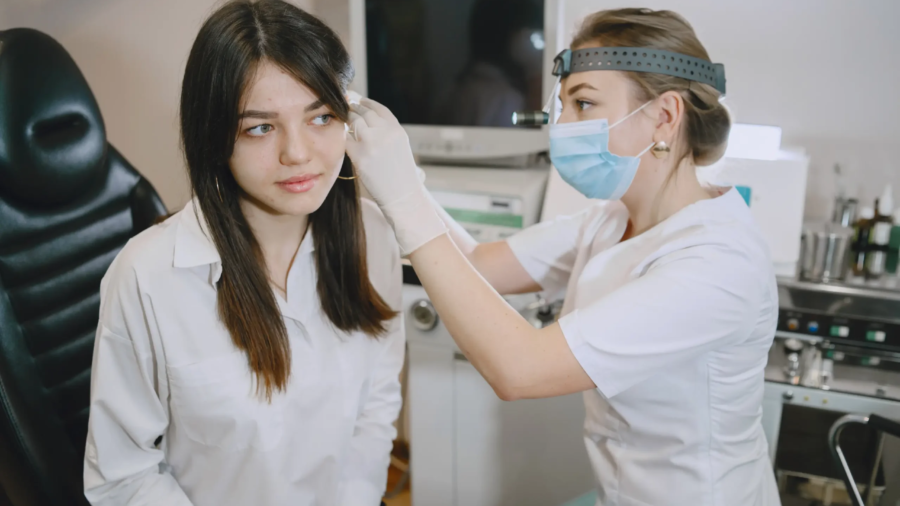
Adults and kids with ear problems can get help at Urgent Care of NJ. When bacteria or viruses attack the ear and cause swelling and fluid to build up inside it, this is called an infection. The middle ear (behind the eardrum) is where most ear infections happen, but some damage the outer ear canal or tissues inside the middle ear. Ear pain, pressure, and hearing loss are common signs. Fever or trouble with balance can also occur

Types of Ear Infections We Treat

Acute Otitis Media: Middle ear infection with fluid behind the eardrum, ear pain, and possible fever.

Otitis Media with Effusion: Fluid remains in the middle ear after infection, causing fullness or hearing loss.

Recurrent Ear Infections: Multiple episodes of acute otitis media over months, especially in young children.

Otitis Externa (Swimmer’s Ear): Outer ear canal infection with pain when the ear is touched or pulled.Eustachian Tube Dysfunction: Pressure and muffled hearing from blocked drainage tubes.

How Our Ear Infection Evaluation and Treatment Works

History and Symptoms: Onset of pain, recent colds, swimming history, and hearing changes were reviewed.

Ear Examination: Otoscope used to inspect the eardrum color, position, and mobility.

Diagnosis: Differentiate viral vs bacterial infection, middle ear vs outer ear problems.

Treatment Plan: Pain control, watchful waiting for mild cases, and antibiotics when clearly indicated.

Follow-Up Guidance: When to return for persistent pain, drainage, or hearing concerns.

Prompt Care Protects Hearing and Comfort

For people in New Jersey who have ear infections, urgent care services can help relieve the pain quickly and help avoid problems like hearing loss, eardrum perforation, or long-term fluid buildup. Urgent Care of NJ uses standards based on research to diagnose and treat ear infections in people in New Jersey who are looking for ear infection treatment near me. Come in today for a full ear test, a clear diagnosis, and effective treatment to ease ear pain and improve hearing comfort.
endocrinologist-examining-throat-young-woman-clinic-women-with-thyroid-gland-test-endocrinology-hormones-treatment-inflammation-sore-throat

Sore Throat, Strep Throat

What Are Colds, Flu, COVID-19, and RSV?

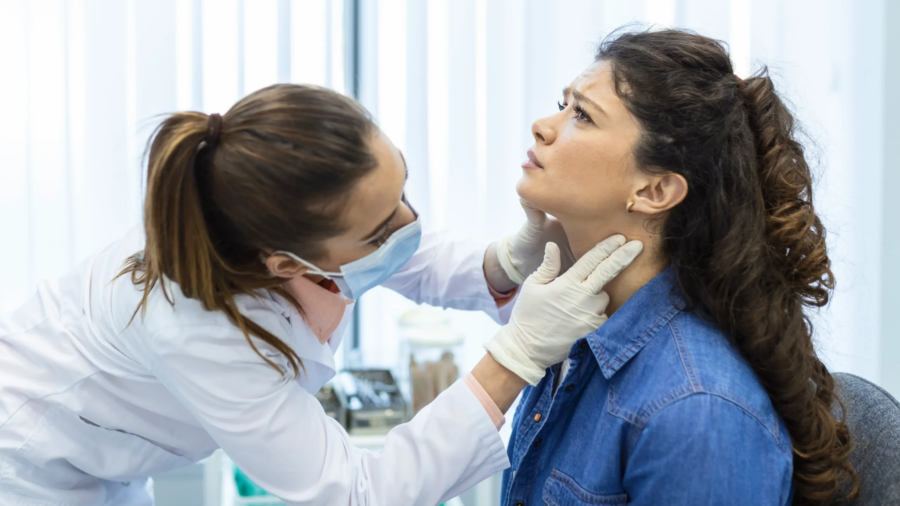
In New Jersey, Urgent Care of NJ checks for and treats common viral respiratory illnesses like colds, flu, COVID-19, and respiratory syncytial virus (RSV). These illnesses impact the nose, throat, and lungs, leading to cough, sore throat, fever, body aches, stuffy nose, and trouble breathing. Some virus infections are mild, but they can be very bad for kids, older adults, and people whose immune systems are not very strong. They can cause pneumonia or other major breathing problems.

Types of Viral Respiratory Illnesses We Treat

Common Colds: Caused by many viruses (often rhinoviruses), producing a runny nose, sneezing, and a mild cough.

Seasonal Flu (Influenza A/B): Sudden high fever, strong body aches, headaches, and dry cough.

COVID-19: Caused by the SARS-CoV-2 virus with symptoms ranging from mild cold-like illness to severe pneumonia.

RSV Infections: Viral lung infection that can cause bronchiolitis and wheezing, especially in infants and toddlers.

Post-Viral Cough: Persistent cough after acute infection resolved, often lasting several weeks.

How Our Cold, Flu, COVID-19, and RSV Care Works

Symptom Evaluation: Detailed review of fever pattern, cough type, breathing comfort, and exposure history.

On-Site Testing: Rapid COVID-19, flu, and sometimes RSV tests to confirm specific viral infection.

Supportive Treatment: Fever and pain control, hydration guidance, cough management, and inhaler use when needed.

Risk Assessment: Identification of high-risk patients who might need antivirals or hospital evaluation.

Return-to-Work/School Guidance: Written instructions on isolation, masking, and when it is safe to return.

Fast Diagnosis and Treatment for Viral Illnesses

Flu and cold care services in New Jersey for COVID-19 RSV help diagnose and treat symptoms quickly, which helps stop the virus from spreading in homes, schools, and workplaces. Urgent Care of NJ helps people in New Jersey who are looking for cold and flu care near me by using methods that have been shown to work. Come in today to get tested, get helpful care, and get clear advice on how to safely recover from winter respiratory illnesses.

high-angle-doctor-using-tensiometer

Blood Pressure Checks

What Are Blood Pressure Checks and Why Do They Matter?

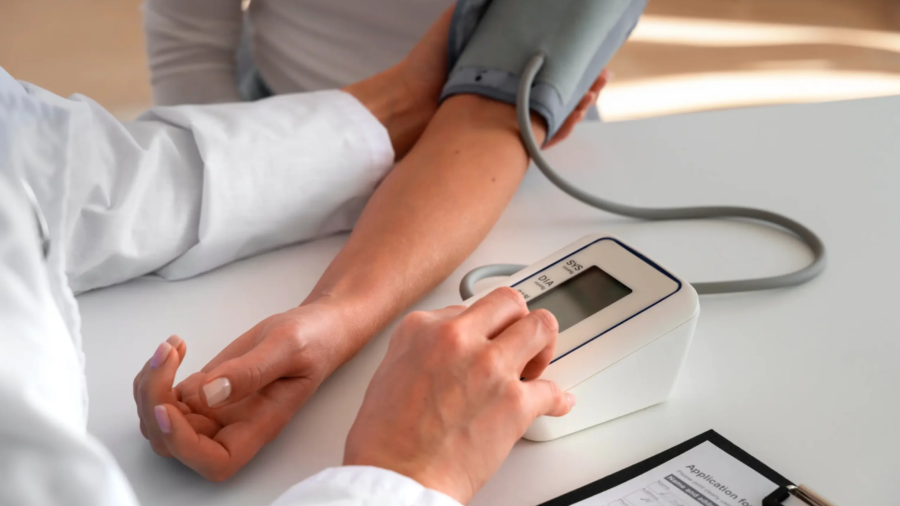
Regular blood pressure checks are administered to look for hyper-tension (high blood pressure) or hypo-tension (low blood pressure). With a cuff and monitor, blood pressure checks find out how hard the blood is pressing against the walls of the arteries. The results give two numbers: the systolic (top number) and the diastolic (bottom number). Monitoring your blood pressure on a daily basis can help find hidden high blood pressure before it leads to a heart attack, stroke, kidney damage, or eye problems

Types of Blood Pressure Checks We Perform

Resting Blood Pressure: Standard seated reading after 5 minutes of quiet rest.

Repeat Measurements: Multiple readings to confirm elevated results and reduce error.

Orthostatic Blood Pressure: Lying, sitting, and standing checks for dizziness or fainting causes.

Manual Cuff Readings: A stethoscope and an aneroid sphygmomanometer are used when automated devices are inaccurate.

Follow-Up Monitoring: Short-term rechecks for patients starting new blood pressure medications.

How Our Blood Pressure Check Visit Works

Proper Positioning: Feet flat on the floor, back supported, arm at heart level for accurate reading.

Cuff Selection: Correct cuff size based on arm circumference to avoid false results.

Multiple Readings: When the initial reading is high, two to three measurements are averaged.

Result Explanation: Numbers compared to normal, elevated, Stage 1 and Stage 2 hypertension ranges.

Care Plan: Lifestyle guidance, medication referral, and follow-up schedule if blood pressure is abnormal.

Early Blood Pressure Control Protects Long-Term Health

Checks for high blood pressure find people with high blood pressure early, often before they have any signs. This lets them start medication before their organs get hurt. Urgent Care of NJ uses standards from the American Heart Association to look at blood pressure results for people in New Jersey who are looking for blood pressure checks near me. Come in today for a quick and accurate blood pressure check and clear instructions on how to keep your heart and blood flow healthy in the future.

medium-shot-doctor-checking-blood-pressure-female-patient

Basic Health Screenings

What Are Basic Health Screenings and Why Are They Important?

Urgent Care of NJ offers basic health checks to find common problems early, before they turn into major illnesses. Basic health checks look at things like weight, blood pressure, heart and lung sounds, vital signs, and basic lab readings. These checkups help find people who might be at risk for heart related disease, diabetes, high cholesterol, and other health problems. That way, treatment can begin early and long-term health can be preserved.

Types of Basic Health Screenings We Provide

Vital Signs Check: Blood pressure, heart rate, breathing rate, and temperature evaluation.

Body Mass Index (BMI): Height and weight are used to estimate the healthy weight range.

Cholesterol Screening: Fingerstick or venous blood test for total, LDL, HDL, and triglycerides.

Diabetes Risk Check: Fasting blood sugar and/or HbA1c screening for prediabetes.

Vision and Hearing Screening: Basic tests for school, work, or DOT forms when needed.

Lifestyle Risk Review: Smoking status, activity level, diet habits, sleep and stress patterns.

How Our Basic Screening Visit Works

Medical History Review: Past illnesses, medications, allergies, and family history collected.

Physical Examination: Heart, lungs, abdomen, skin, and joints checked for common issues.

Point-of-Care Testing: On-site blood pressure, glucose, and cholesterol tests when indicated.

Risk Explanation: Results compared to normal ranges with clear, simple language.

Next-Step Plan: Follow-up testing, primary care referrals, and lifestyle advice provided.

Preventive Care Starts with Simple Screenings

Urgent care in New Jersey offers basic health checks to help find hidden conditions like high blood pressure and high cholesterol early. These conditions often do not show any signs until they cause problems. Urgent Care of NJ uses screening tools that have been shown to work to help people in New Jersey who are looking for basic health screenings near me understand their current health state and the risks that could happen in the future. Come in today for a quick and easy checkup, and you will leave with a clear plan to protect your health in the long run.

covid-19-test-samples

TB testing

What Is TB Testing and Who Needs It?

Urgent Care of NJ offers tuberculosis (TB) tests all over New Jersey for immigration, work, school, and health reasons. Mycobacterium tuberculosis is a type of bacterium that usually infects the lungs. TB tests look for infections caused by this bacteria. Testing for TB can find dormant infections (no signs but a positive test) and help stop active TB disease (cough, fever, weight loss) by starting treatment and keeping an eye on the person early on.

Types of TB Tests We Perform On-Site

Mantoux Tuberculin Skin Test (TST): A small amount of purified protein derivative (PPD) is injected under the forearm skin.

IGRA Blood Test (Quantiferon/ T-Spot): Blood sample measures immune response to TB antigens.

Baseline TB Screening: Initial test for healthcare workers, teachers, and daycare staff.

Two-Step Testing: Second skin test 1–3 weeks later for an accurate baseline in high-risk jobs.

Annual TB Surveillance: Repeat testing schedules for employees with ongoing exposure risk.

How Our TB Testing Services Work

Placement Visit (Skin Test): When PPD is injected into the skin, it produces a small, raised wheal.

Reading Visit (Skin Test): 48–72 hours later, induration (firm bump) is measured in millimeters.

Risk-Based Interpretation: Size cutoffs differ between high- and low-risk populations.

Blood Test Processing: Single-visit blood draw sent to lab with results in 24–48 hours.

Documentation: Official TB test forms completed for employers, schools, or visa offices.

Early TB Detection Protects Community Health

TB testing at our hospital helps find hidden infections before they become active lung diseases. This ends the disease from spreading in places like schools, workplaces, and healthcare facilities. Urgent Care of NJ uses the CDC’s standards for TB screening, so people in New Jersey who are looking for TB testing near me can be sure that the results will be correct. Come in today for a TB skin test, an IGRA blood test, or the paperwork you need for clearance, and we will give you clear results and recommendations on what to do next.

ekg

EKG (urgent care, limited cardiac screening)

What Is EKG Testing and What Heart Conditions Does It Detect?

Urgent Care of NJ does 12-lead electrocardiogram (EKG/ECG) tests to look for problems with heart rate and sudden heart events. An EKG uses 10 sensors to record electrical activity from the heart. It measures heart rate, rhythm, axis shift, ST segment changes, and rhythms. In urgent care settings, tests find atrial fibrillation, ventricular tachycardia, cardiac ischemia, pericarditis, and chemical problems that can lead to chest pain, tremors, or fainting.

Types of EKG Tests We Perform On-Site

12-Lead EKG: Comprehensive 10-second recording evaluates all cardiac leads simultaneously.

Rhythm Strip Monitoring: Continuous 3-lead monitoring for ongoing arrhythmia assessment.

Stress EKG Preparation: Baseline testing prior to treadmill exercise protocols.

Serial EKGs: Repeat testing tracks evolving myocardial infarction or pericarditis.

Electrolyte EKG Patterns: Hyperkalemia, hypokalemia, hypocalcemia waveform identification.

How Our EKG Services Work

Electrode Placement: Precise positioning across chest, arms, legs, per standard anatomical landmarks.

Automated Analysis: Computer interpretation with physician overread for accuracy.

Normal vs Abnormal Criteria: Rate, rhythm, intervals, axis, hypertrophy patterns evaluated.

Cardiology Referral Protocol: STEMI and high-degree AV block cases are immediately transferred.

Patient Education: Rhythm strip printouts with arrhythmia explanations provided.

Rapid Cardiac Assessment Prevents Heart Complications

EKG tests find 85% of life-threatening arrhythmias within minutes, so they can be treated right away and referred to a cardiologist. Urgent Care of NJ follows the rules set by the American Heart Association to make sure that people in New Jersey who want an EKG test near me get an exact reading of their heartbeat. Come in today for an evaluation of chest pain, palpitations, or fainting. You will get instant 12-lead EKG readings and help coordinate your heart care.

closeup-shot-doctor-with-rubber-gloves-taking-blood-test-from-patient

STD Testing

What Is STD Testing and Which Infections Do We Screen?

Urgent Care of NJ offers customized tests for common sexually transmitted diseases (STDs) all over New Jersey. Using nucleic acid amplification tests (NAAT) on urine or pubic swabs, STD testing can find Chlamydia trachomatis, Neisseria gonorrhoeae, and Trichomonas vaginalis. Blood treponemal antibodies are used in rapid tests to look for syphilis, and 4th generation antigen/antibody assays are used to look for HIV. These tests find carriers who do not have any symptoms. This stops the disease from spreading and causing problems like pelvic inflammatory disease or infertility.

Types of STD Tests We Perform On-Site

Chlamydia and Gonorrhea NAAT: Urine or swab detects bacterial DNA with 98% sensitivity.

Trichomonas Testing: Vaginal/cervical swabs identify protozoan infection causing discharge.

Syphilis Rapid Test: Fingerstick blood screens for treponemal antibodies (RPR confirmation).

HIV 4th Generation Test: Detects p24 antigen and antibodies in 20 minutes.

Hepatitis B Surface Antigen: A blood test screens for acute/chronic liver infection risk.

Herpes Simplex Virus (HSV) IgG: Blood antibodies indicate past/current infection.

How Our STD Testing Services Work

Specimen Collection: Urine first-void preferred; self-collect swabs available for privacy.

Rapid Processing: Point-of-care analyzers deliver preliminary results in 15-20 minutes.

Confirmatory Testing: Positive screens forwarded to reference labs for definitive diagnosis.

Partner Notification Guidance: Explaining anonymous contact tracing protocols.

Treatment Protocols: Same-visit prescriptions for bacterial STDs per CDC guidelines.

Early Detection Prevents Serious Complications

Urgent care for STD testing finds 75% of infections that do not cause any symptoms, which lets the partner get care and stops infertility, ongoing pain, or transfer to the baby. Urgent Care of NJ uses the CDC-recommended screening methods to make sure that people in New Jersey who are looking for STD testing near me get a correct diagnosis. Come in today for a private test for Chlamydia, gonorrhea, syphilis, or HIV. You will get answers quickly and can start treatment right away if needed.

closeup-shot-doctor-with-rubber-gloves-taking-blood-test-from-patient

Blood Sugar Testing

What Is Blood Sugar Testing and Why Test It?

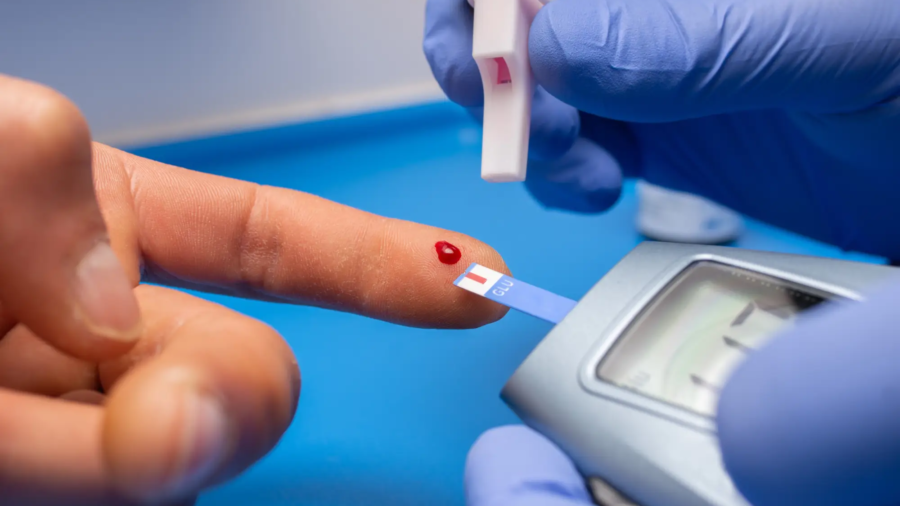
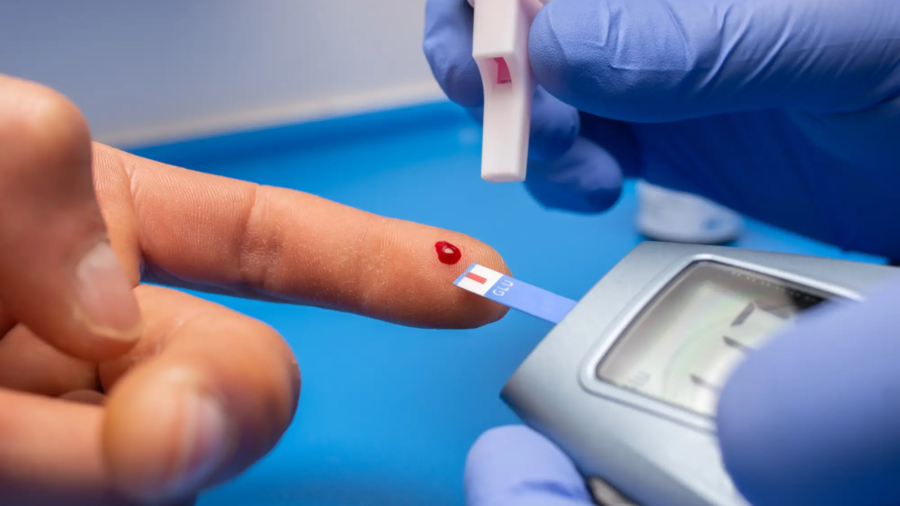
Point-of-care blood glucose testing is conducted  by Urgent Care of NJ to check for diabetes, hypoglycemia, and metabolic diseases. Glucometers measure the amount of glucose in capillary blood during blood sugar tests and give quick results in mg/dL. Normal fasting levels are between 70 and 99 mg/dL; levels above 126 mg/dL mean you might have diabetes and need to take action. Hyperglycemia, obesity, and serious consequences like diabetic ketoacidosis can be found through testing.

Types of Blood Sugar Tests We Perform On-Site

Fasting Blood Glucose: Measures baseline levels after 8+ hours without food intake.

Random Blood Glucose: Tests any time, regardless of last meal, for symptomatic screening.

Postprandial Testing: 2-hour post-meal levels assess glucose tolerance and insulin response.

HbA1c Screening: Estimates average blood sugar control over the past 2-3 months.

Ketone Testing: Detects diabetic ketoacidosis risk when glucose exceeds 250 mg/dL.

Continuous Glucose Monitoring: Sensor application for patients needing ongoing tracking.

How Our Blood Sugar Testing Services Work

Fingerstick Collection: Lancets obtain capillary blood from the fingertip or alternate sites.

Glucometer Analysis: Results display in 5 seconds with quality control verification.

Result Interpretation: Normal, prediabetes, diabetes ranges explained with A1C correlation.

Risk Assessment: BMI, family history, symptoms reviewed for comprehensive evaluation.

Management Plan: Diet recommendations, medication referrals, and follow-up testing schedule.

Essential Screening for Diabetes Prevention and Management

Urgent care for blood sugar tests in New Jersey makes it possible to find diabetes early, when 88% of cases are still not known, which stops problems before they happen. Glucometers used by Urgent Care of NJ are FDA-approved, so they can give accurate glucose readings to people in New Jersey who need blood sugar testing near me. If you want to get screened for diabetes, obesity, or severe hyperglycemia today, you can walk in and get full treatment advice.

close-up-woman-holding-infertility-proof

Pregnancy Tests

What Are Pregnancy Tests and How Do They Work?

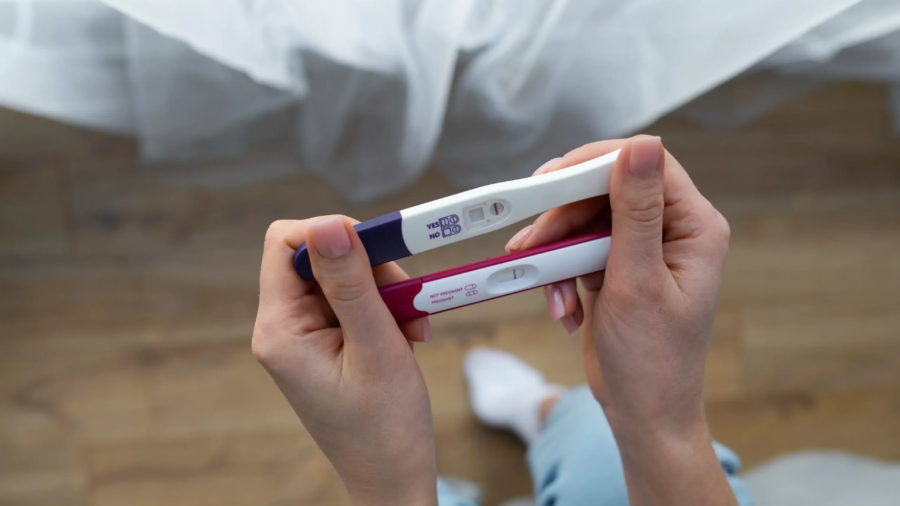
Urgent Care of NJ offers accurate pregnancy tests all by finding human chorionic gonadotropin (hCG). hCG is a hormone that is made by placental cells after the embryo implants. It can be found in pee 10–14 days after conception or in blood 7–12 days after conception. After the first missed period, urine tests are 99% accurate, and blood tests give accurate amounts of hCG for early discovery and determining viability.

Types of Pregnancy Tests We Perform On-Site

Urine hCG Tests: Qualitative detection confirms pregnancy presence (positive/negative).

Quantitative Blood hCG: Measures exact hormone levels for early pregnancy monitoring.

Serial hCG Testing: Tracks doubling every 48 hours, confirming a viable pregnancy.

Progesterone Testing: Complements hCG to assess corpus luteum function.

Ectopic Pregnancy Screening: Low/rising hCG patterns with ultrasound referral.

Chemical Pregnancy Detection: Early losses are identified through falling hCG levels.

How Our Pregnancy Testing Services Work

Specimen Collection: First-morning urine preferred; serum blood draw for sensitivity.

Rapid Processing: Urine results in 3-5 minutes; blood results within 15 minutes.

Result Counseling: Positive results include dating, prenatal care, and referral information.

Follow-Up Protocol: Viability testing, Rh factor screening, and folic acid recommendations.

Documentation: Medical certification for work/school accommodations provided.

Accurate Results for Family Planning Decisions

Urgent care for pregnancy tests in NJ gives clear results within hours that help women start prenatal care or decide how to plan their families. Urgent Care of NJ follows testing procedures that have been allowed by the FDA. This makes sure that people in New Jersey who are looking for pregnancy tests near me can get accurate results. You can walk in today for instant results and full advice on confirmation tests, early pregnancy tracking, or reproductive health counseling.

lab-doctor-performing-medical-exam-urine

Urine Tests

What Are Urine Tests and Why Get Them?

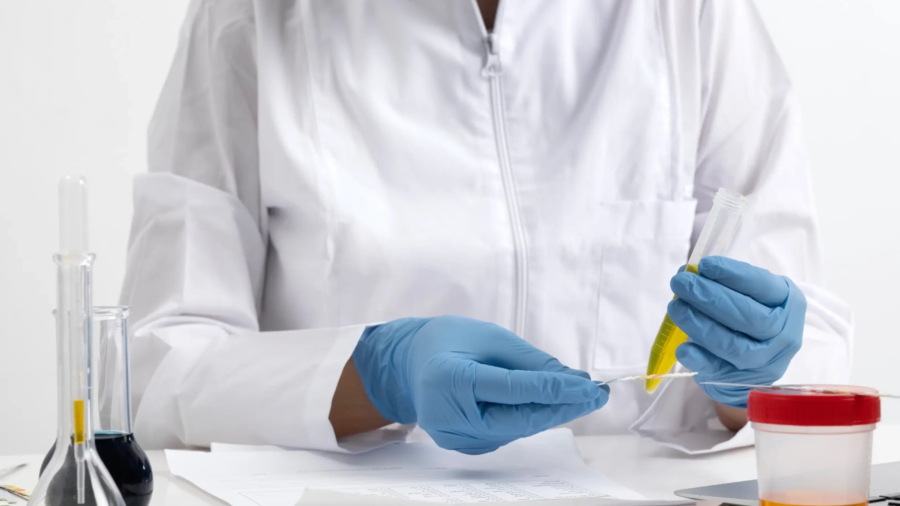
Urgent Care of NJ does full urinalysis tests to find out if someone has a urinary tract infection (UTI), kidney disease, diabetes, or is pregnant. Dipstick technology and microscope analysis are used to check the color, clarity, pH levels, protein, glucose, ketones, germs, white blood cells, and nitrites in urine. These tests do not hurt you and give you instant knowledge about common health problems that affect your bladder, kidneys, and metabolism.

Types of Urine Tests We Perform On-Site

Urinalysis Dipstick: 10-parameter test screens for infection, diabetes, and kidney function.

Urinary Tract Infection (UTI) Testing: Detects leukocytes, nitrites, and blood, indicating bacterial infection.

Pregnancy hCG Testing: Urine detects human chorionic gonadotropin hormone, confirming pregnancy.

Ketone Testing: Monitors diabetic ketoacidosis or starvation states through urine ketones.

Proteinuria Screening: Albumin detection indicates kidney damage or preeclampsia risk.

Microscopic Urinalysis: Examines casts, crystals, and red blood cells for kidney stone diagnosis.

How Our Urine Testing Services Work

Clean Catch Collection: Midstream urine sample using sterile technique prevents contamination.

Rapid Dipstick Analysis: Results appear in 60-120 seconds across multiple test pads.

Microscopic Confirmation: Centrifuged sample examined for cells, bacteria, and crystals.

Result Interpretation: Normal vs abnormal ranges explained with treatment recommendations.

Follow-Up Testing: Culture and sensitivity testing if infection is suspected and antibiotics are required.

Essential Diagnostic Tool for Common Conditions

Urine tests can diagnose 70% of urine complaints instantaneously, which keeps people from taking antibiotics when they do not need to and lets them get the right treatment. Urgent Care of NJ follows quality control standards to make sure that people in New Jersey who are looking for urine tests near me get accurate results. Come in today for a quick UTI diagnosis, proof of pregnancy, diabetes test, or review of kidney health. You will get results and treatment the same day.

doctor-vaccinating-patient-center

COVID-19, Flu, Strep tests

What Are COVID-19, Flu, and Strep Tests?

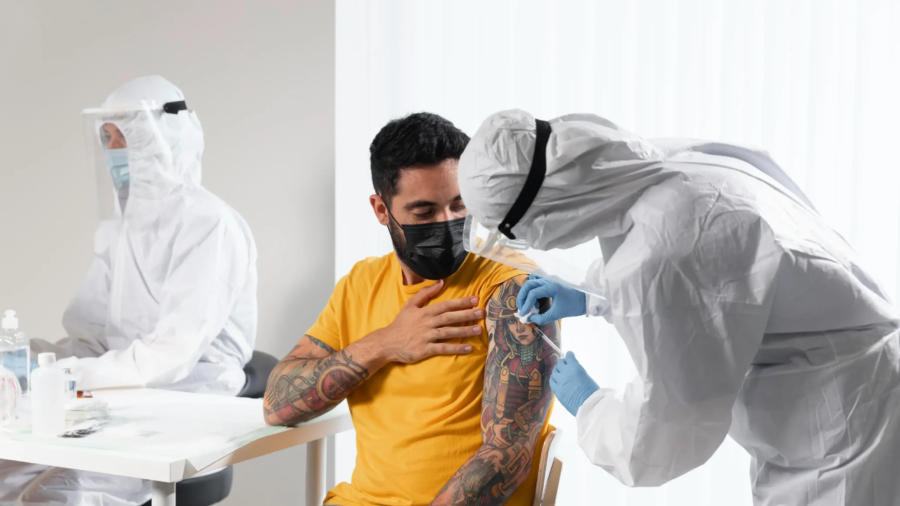
Urgent Care of NJ offers quick tests for COVID-19, influenza (flu), and streptococcal pharyngitis (strep throat) all over New Jersey. Using nose swabs, COVID-19 tests can find SARS-CoV-2 viral proteins or RNA. Similar fast antigen methods are used in flu tests to tell the difference between Influenza A and B types. Throat swabs are used in Strep tests to find the Group A Streptococcus germs that cause sore throats. The results of these tests come back in 5 to 15 minutes, which lets you decide right away what treatment to use.

Types of Respiratory Tests We Perform On-Site

Rapid Antigen COVID-19 Tests: Detects viral proteins in 10 minutes with 85-95% accuracy.

PCR COVID-19 Confirmation: Lab-processed nasal swabs for highest sensitivity when needed.

Flu A/B Rapid Tests: Differentiate seasonal influenza strains for antiviral prescriptions.

Strep A Rapid Tests: Throat swab detects bacteria causing white pus spots and fever.

Combination Respiratory Panels: Test multiple viruses simultaneously during outbreaks.

Follow-Up Serology: Antibody tests to confirm past infection or immunity status.

How Our Testing Services Work

Specimen Collection: Nasal swab for COVID/flu, throat swab for strep using sterile technique.

Rapid Processing: On-site analyzers provide results while patients wait comfortably.

Result Interpretation: Positive cases receive isolation instructions and prescriptions.

Negative Result Guidance: Symptom management and when-to-retest recommendations.

Documentation: Test results printed for work/school requirements or health records.

Accurate Testing Ensures Proper Treatment

Urgent care of NJ COVID-19 flu strep tests stop people from using antibiotics when they are not needed and allow them to start antiviral treatment on time. Urgent Care of NJ keeps testing standards that do not have to follow CLIA and quality controls to make sure that people in New Jersey who are looking for COVID-19 flu strep tests near me can get accurate results. Come in today to get a clear diagnosis of a lung sickness and the right treatment plan.

bone-fracture-foot-leg

Splints, Braces, Crutches

Expert Fitting for Splints, Braces, and Crutches in NJ

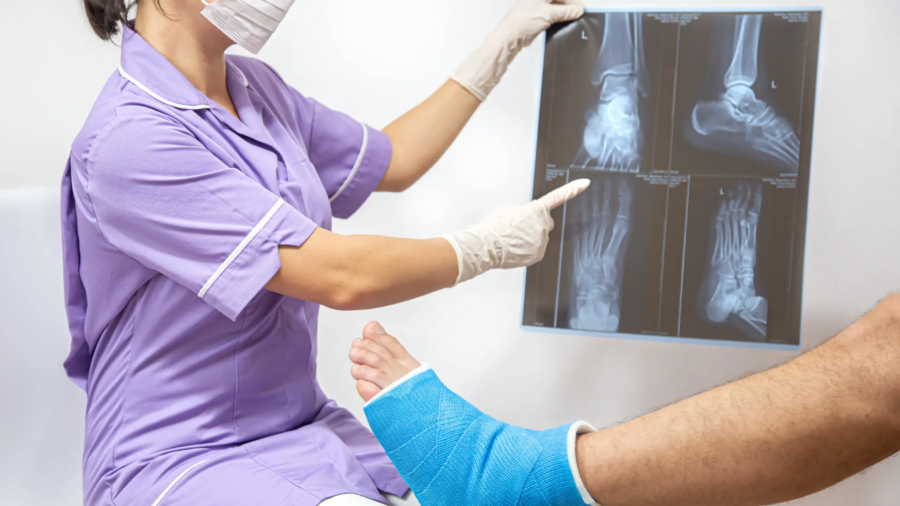
Urgent Care of NJ helps people get their splints, braces, and crutches fitted by professionals. These medical supports keep wounds safe while they heal, ease pain, and stop more damage from happening. Ankle sprains, wrist fractures, knee injuries, and other common joint problems work best when they are properly fitted.

Types of Supports We Professionally Fit

Ankle Braces: Stabilize lateral ligaments after inversion sprains or chronic instability.

Wrist Splints: Immobilize carpal bones for scaphoid fractures or De Quervain’s tenosynovitis.

Knee Braces: Provide medial/lateral support for MCL injuries or patellofemoral pain syndrome.

Finger Splints: Maintain alignment for mallet finger or boxer’s fractures.

Walking Boots: Offload forefoot pressure for metatarsal stress fractures or diabetic foot ulcers.

Crutches: Non-weight bearing assistance for lower extremity fractures or surgical recovery.

How Our Professional Fitting Process Works

Injury Assessment: Evaluate sprain grade, fracture stability, and range of motion limitations.

Measurement Protocol: Use calibrated tools for precise circumferential and length measurements.

Custom Adjustments: Trim padding, adjust straps, and set hinge angles for optimal biomechanics.

Gait Training: Demonstrate proper crutch swing-through or three-point gait patterns.

Patient Education: Provide written instructions for hygiene, adjustment, and red flags requiring return visit.

Why Professional Fitting Matters for Injury Recovery

If splints, braces, crutches, or other medical devices are not fitting correctly, they can make treatment 40% less effective and raise the risk of damage again. Urgent Care of NJ doctors use evidence-based fitting procedures to make sure that the body is aligned, pressure is distributed, and functional movement is restored.
Patients get detailed directions on how to get back to their normal activities after they are discharged, including when they can start bearing weight and when they should get skin checks. This methodical approach helps people in New Jersey who are looking for splints, braces, crutches, or walking sticks get better faster. Come in today for a skilled fitting of an injury support and speed up your healing.